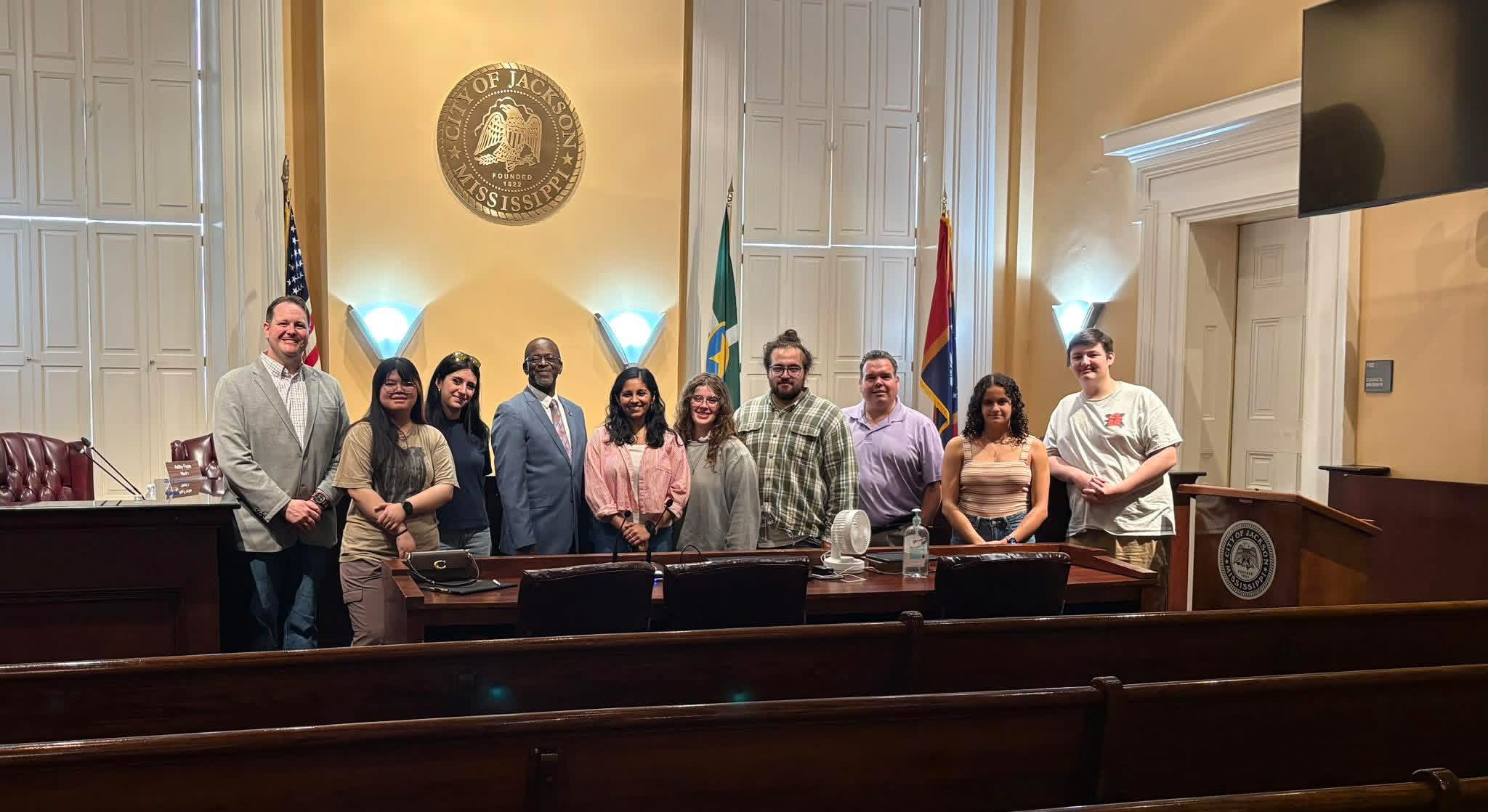

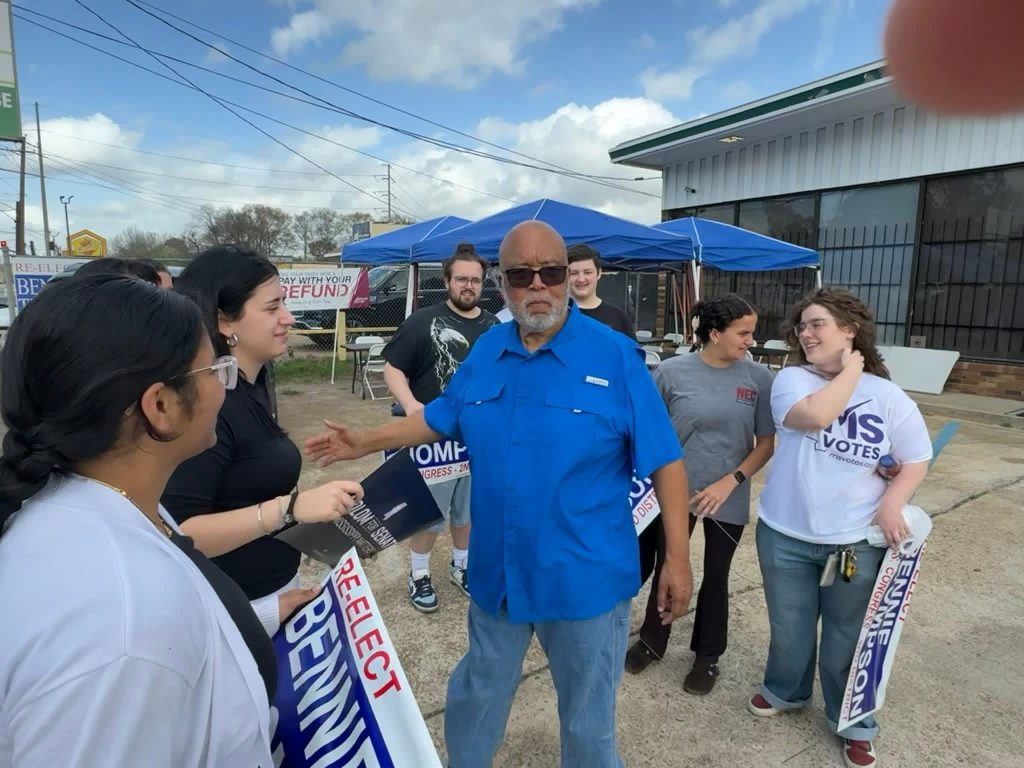
One of NEC’s three classes that embarked on an immersion trip was a journey through southern states led by Politics Professor Dr. Nathan Shrader. The Politics of the Civil Rights Movement class went to Mississippi and Tennessee, where they toured historical stops related to civil rights history.
“We’ve been reading a lot about civil rights activists in Mississippi. We’ve been analyzing how these figures have shaped political parties and the type of organization that we have today, along with just trying to really understand the significance of these really important historical events,” said NEC student Sumana Krovi who was a part of this trip.
According to Krovi, the students learned about the severity of the racial tensions during the civil rights movement, southern culture, and how there are still areas in the south where racial tensions are high.
The students walked Beale Street in Memphis, Tenn. which holds a lot of civil rights activism history, including an art gallery featuring photographs of civil rights activists.
“Being able to be there in the place that we’ve only seen through photographs was really neat,” Krovi said.
The group spent a couple of days in Memphis and then moved onto Indianola, Miss. The group paid their respects to Fannie Lou Hamer, a well-known civil rights activist.
“We went and we laid flowers down at her grave,” said Krovi.
Although this trip was for a politics class, the students still made stops at some fun places. “We saw the BB King Museum. We went to the Museum of Rock ‘n’ Soul which was really cool,” said Krovi.
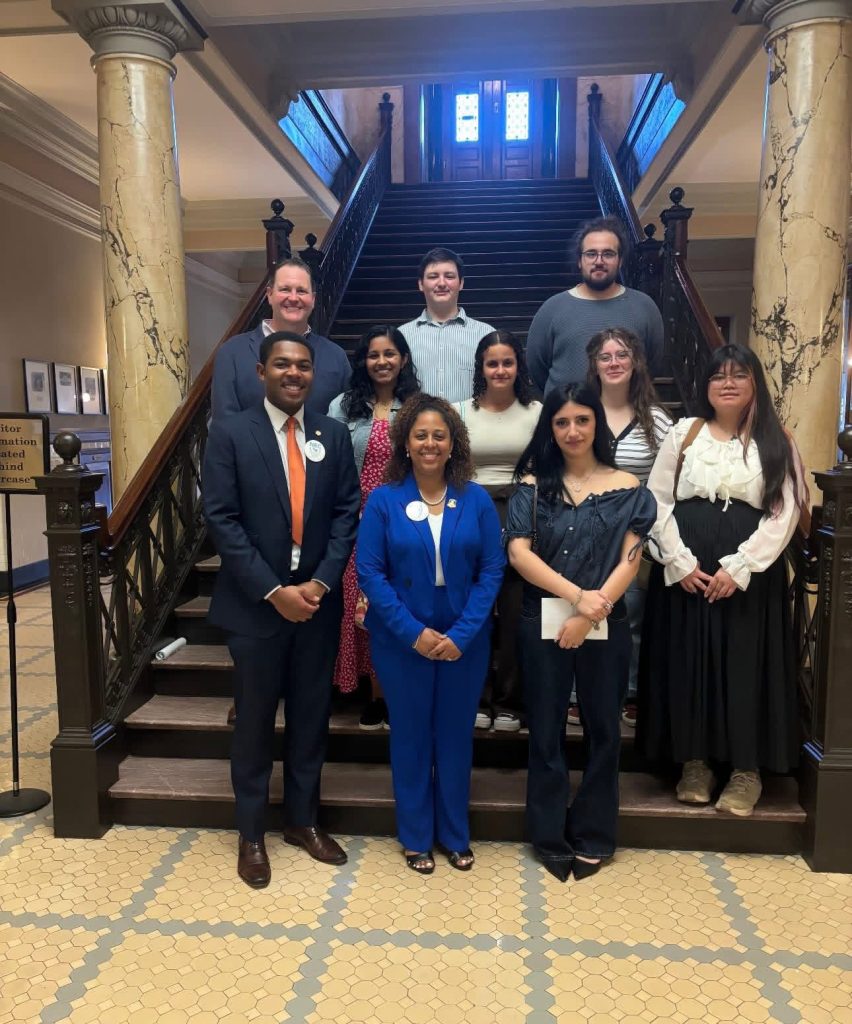
The final stop was Jackson, Miss. where they met with attorneys and civil rights activists. Krovi said her favorite part of the trip was meeting Charles McLaurin, who worked with Fannie Lou Hamer.
“Just hearing his experience growing up in such a segregated time, talking about how and why change is important to him, and just the personal touch of these stories I think was really important,” said Krovi.
After learning so much about the civil rights movement, Krovi said she left with a different perspective on that period of time.
“It just made me realize so much, that this is just so much more than a piece of history,” said Krovi.