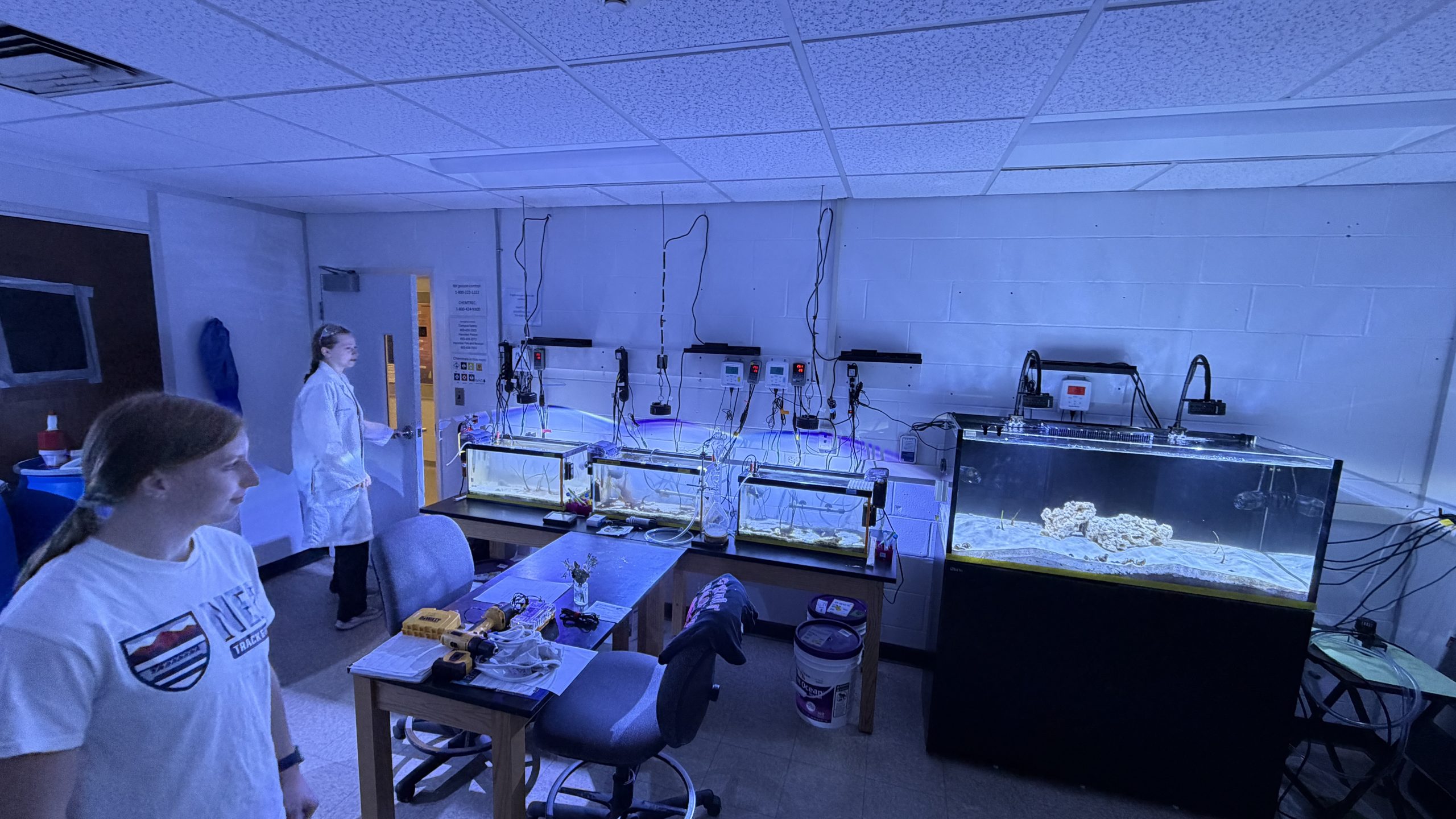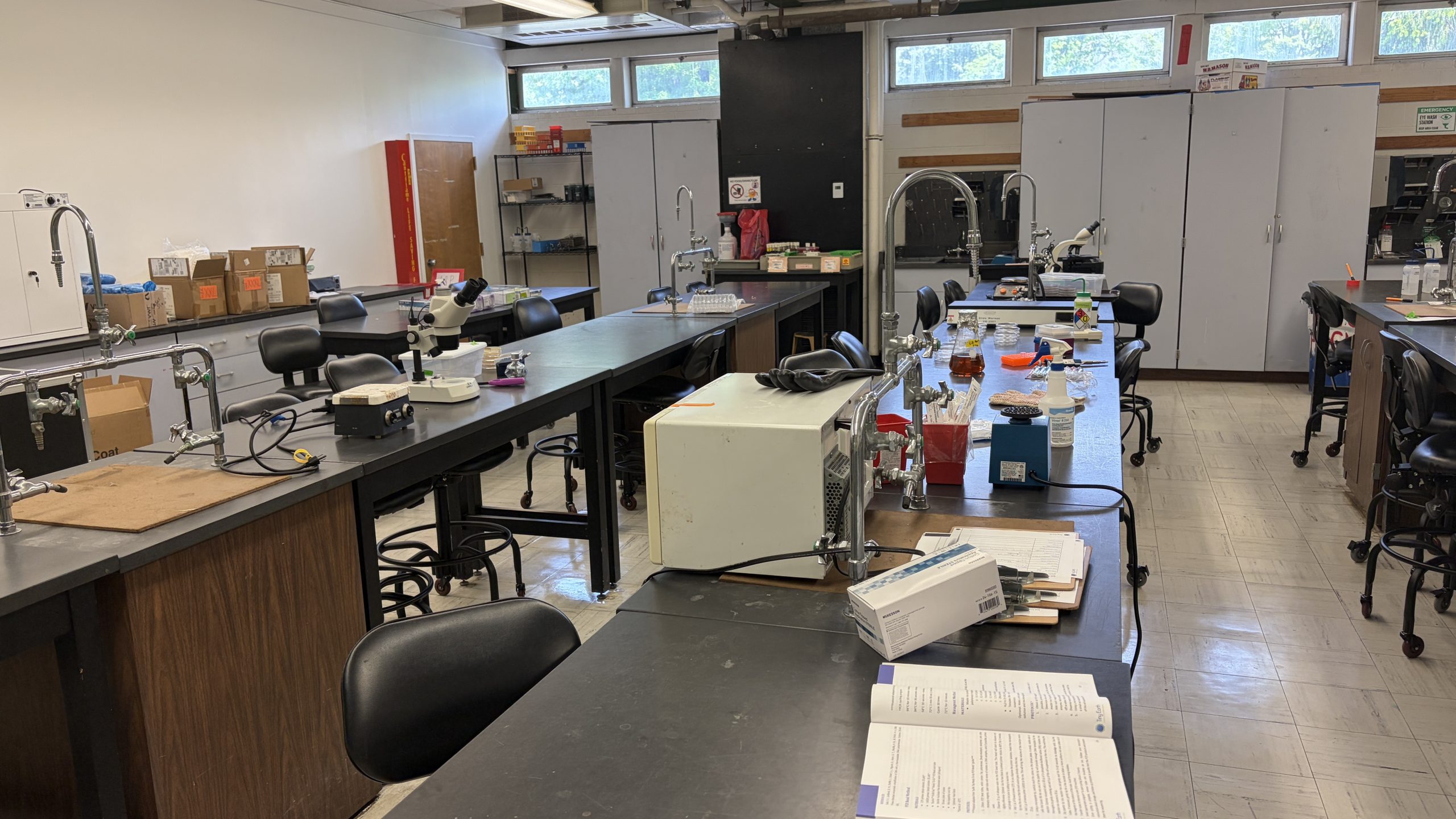

The Idea Network for Biomedical Research Excellence, also known as the INBRE program, at NEC has been around for 16 years, and during that time, it has received federal funds to help undergraduate students participate in biomedical research. NEC’s undergraduate research experience enhances students’ education by offering advanced opportunities in preparation for graduate education and careers in research, health, biotechnology, and medicine, according to Dr. Debra Dunlop, a Senior Professor in Biology and Health Science.
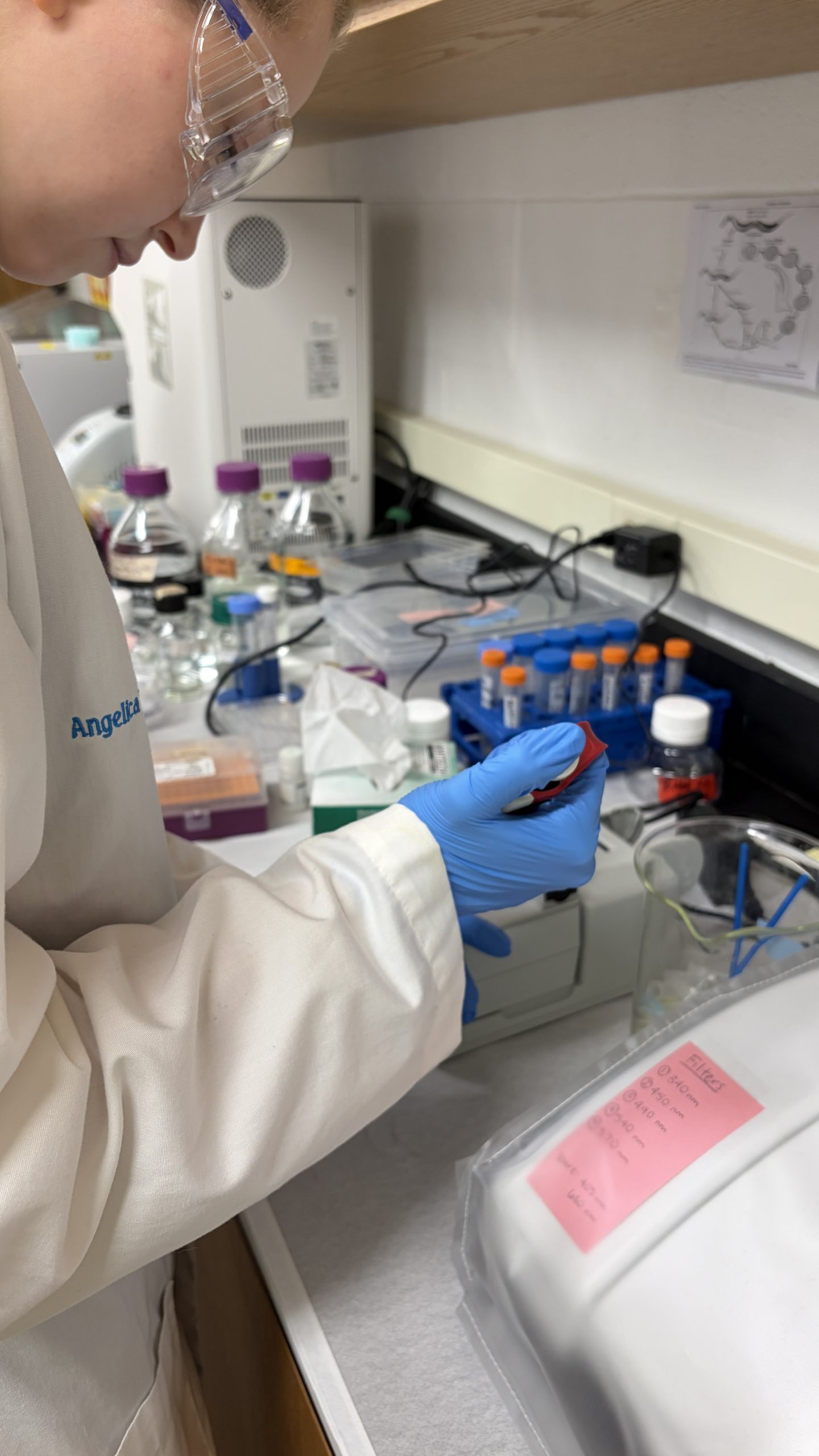
“This has given me a lot of experience. I’ve been in the INBRE program for a couple of years, I’m very grateful that the INBRE program provides numerous opportunities,” said Angelica Valente, a recent graduate and INBRE program member.
Valente has been researching the genes that influence biofilm formation in P. rhodesiae.
“This can be used to find new targets for agricultural purposes, basically finding targets for treatments against bacterial infections that may not be able to be treated with current drugs,” Valente said.
“There is a lot of hands on research you also get to work one-on-one with professors. The INBRE program itself offers a lot of programs for ambassadors as a student or faculty member. They also have the mentorship program, which connects you with individuals in similar fields. There’s a lot of networking, a lot of experience, both in the lab and presentation-wise,” Valente said.
Dr. Dunlop is the Principal Investigator on the INBRE Research Support and Training Grant, overseeing the grants budget for student research and training and faculty membership.
“The INBRE experience has been transformational for many students. For some, it has strengthened their commitment to medical school and biomedical careers. It has reinforced others’ desires to move into health careers, and the experience with research has set them ahead of others applying for professional graduate programs. For all, it has strengthened their understanding of the process of science from the initial investigations of the literature, to developing questions, testing, data acquisition, and analysis, and communicating orally and in writing about their work,” Dunlop said.
Valente submitted her findings and the research she has done at NEC through the INBRE program, and is waiting to hear if she will be published, which she said would be a major accomplishment to help her continue with biotechnology and obtain her PhD.